Project Website
↓
kilim.digital
TRANSLATING TURKISH RUGS INTO DIGITAL WALLPAPERS
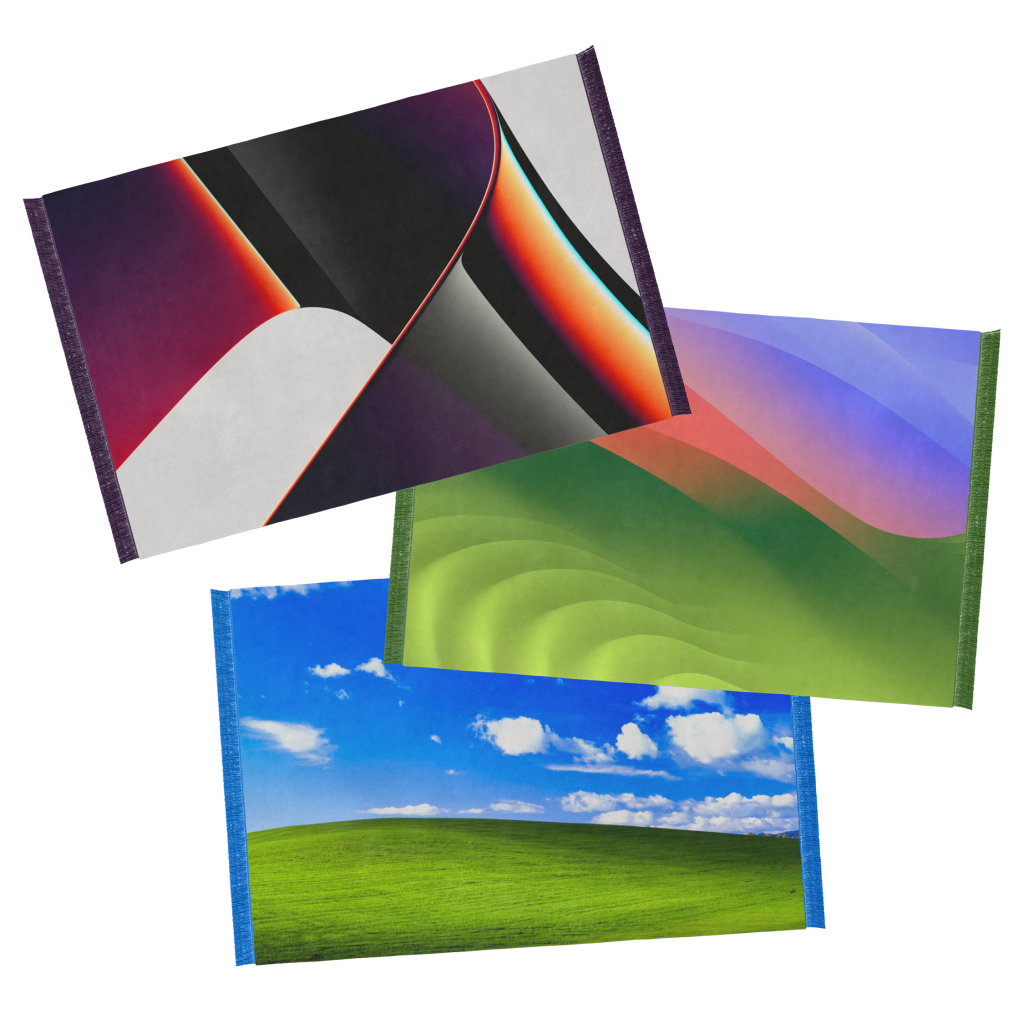
Carpet vs Wallpaper
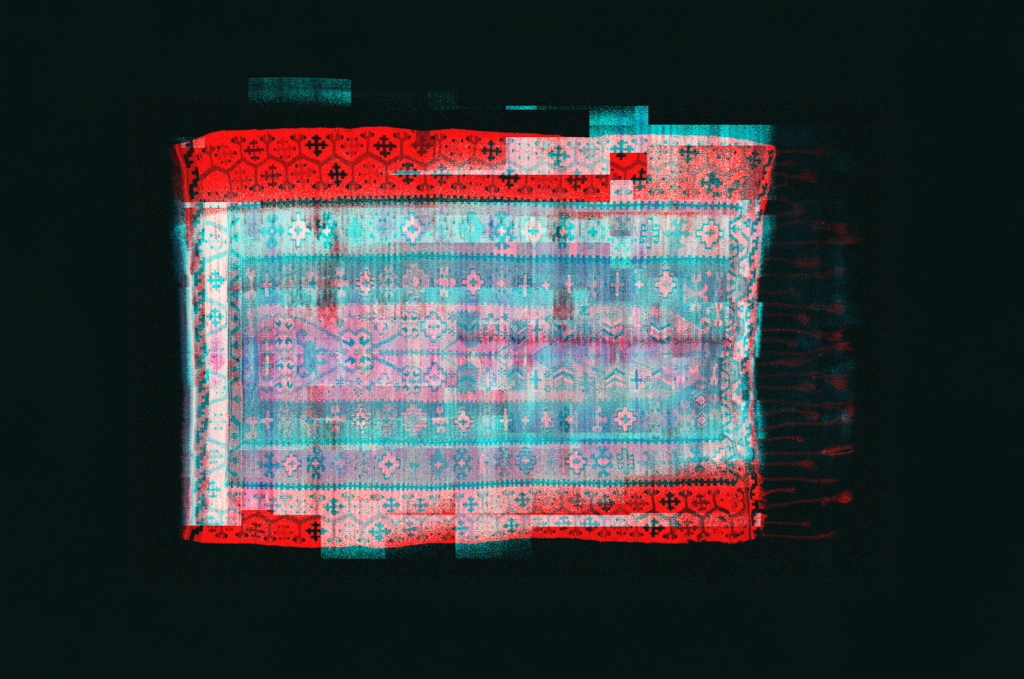
This project explores the similarities between Turkish Kilims and desktop wallpapers. It examines whether they can take each other’s places or not.
Kilims are handwoven rugs made with primitive techniques by using wools and madders. On the other hand, desktop wallpapers were born in the digital age to be used on digital screens. They are pixel-based and made for RGB screens. Besides the differences in using areas, they both serve as a background image.
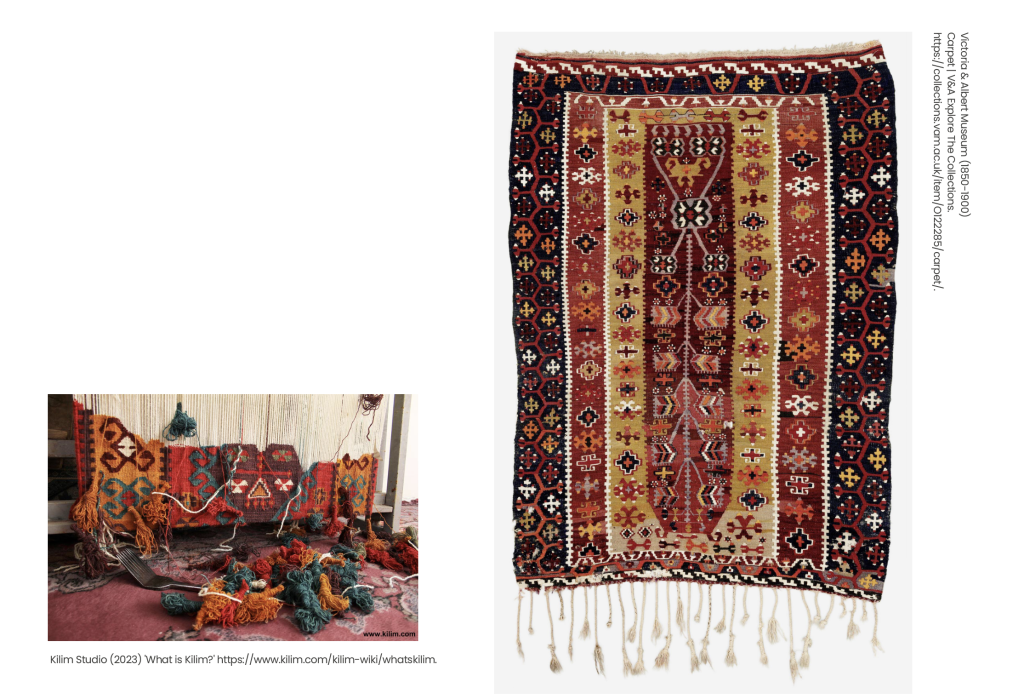
“Kilim”
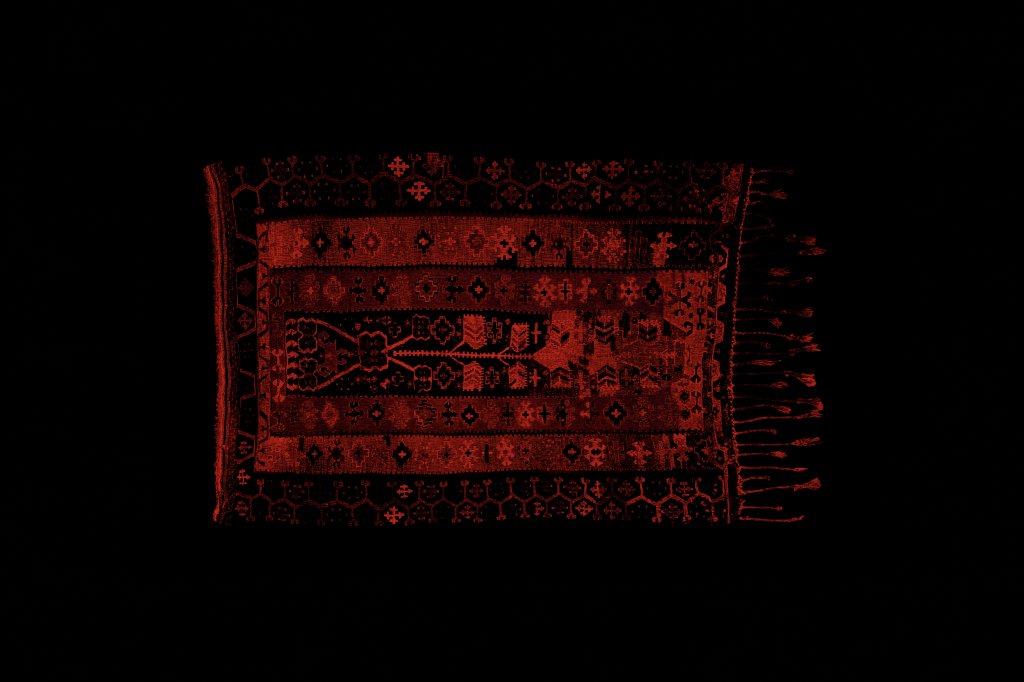
Turkish Rug
Kilim, a word of Turkish origin, denotes a pileless rug of many uses produced by one of several flatweaving techniques that have a common or closely related heritage and are practiced in the geographical area that includes parts of Turkey (Anatolia and Thrace), North Africa, the Balkans, the Caucasus, Iran, Afghanistan, Pakistan, Central Asia and China.
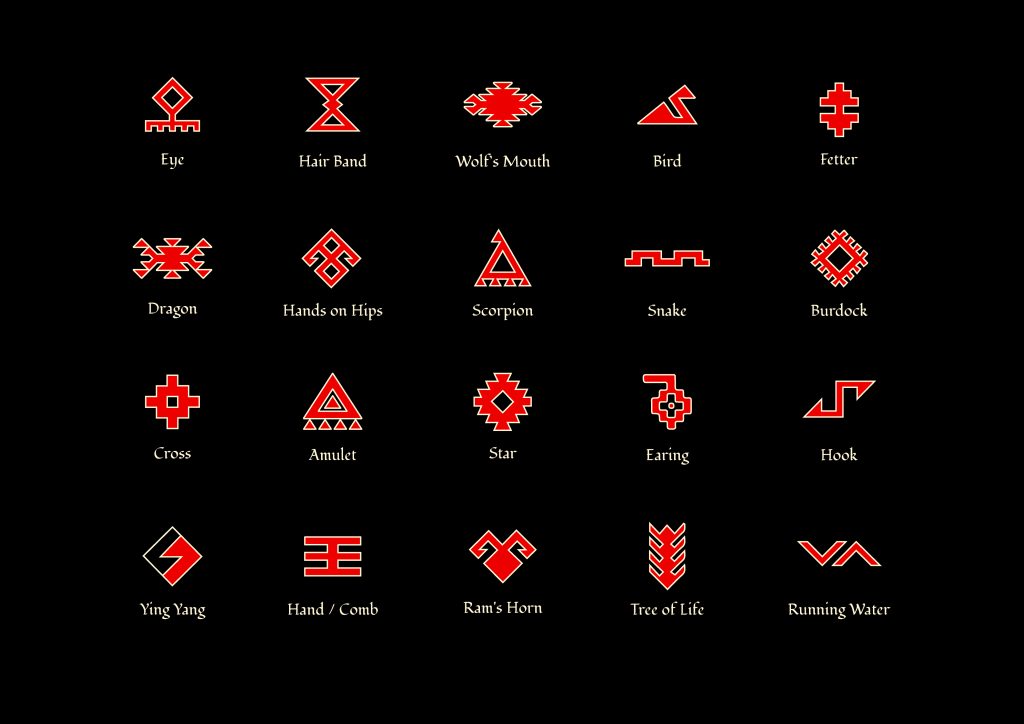
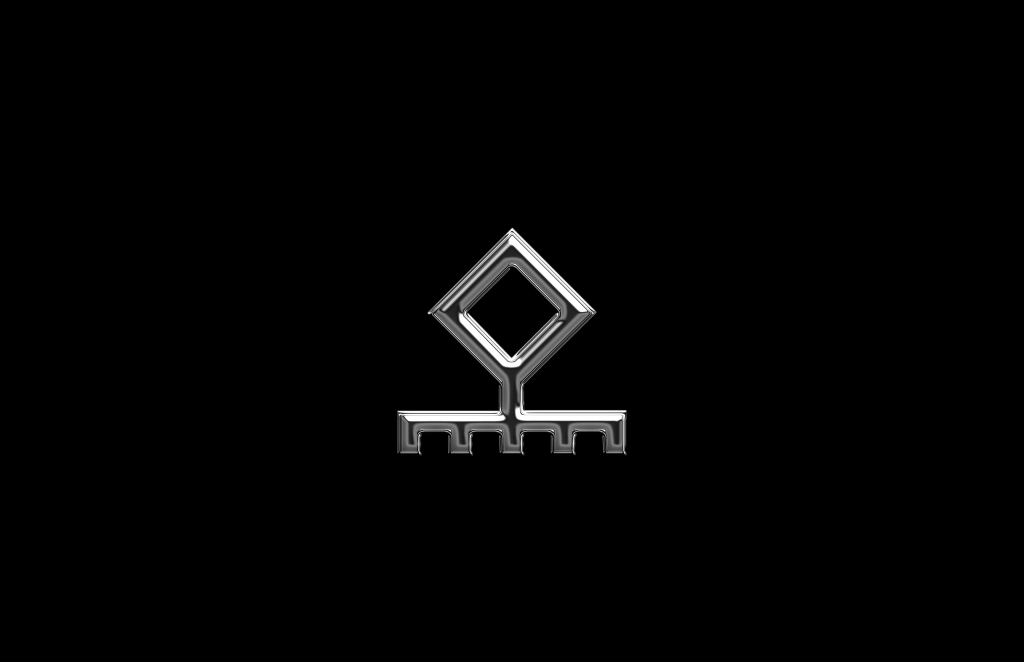
Motifs
Wallpapers





References:
- Sales, K. (2023) Centered: People Ideas Diversifying Design. New York, Princeton Architectural Press
- Gee’s Bend Quilters by Stephen Child and Isabella D’Agnenica
- Kurdish Fragments: Mapping Pattern as Language by Nuveen Barwari
- Woven in Oral History: An Incomplete Taxonomy of Amazigh Symbols by Dina Benbrahim
- Hull, A. and Luczyc-Wyhowska, J. (1993) Kilim: the complete guide. London. Thames and Hudson.
- Christopher, R. B. (1951) Rugmaking. [Place of publication not identified] Foyle.
- Ahmed, F. (nodate) Faig Ahmed Lab https://faigahmed.com/lab
- Ahmed, F. (nodate) Deconstructed Carpets by Faig Ahmed https://www.artisaway.com/blog/deconstructed-carpets-by-faig-ahmed/
- Saksi, K. (no date) https://kustaasaksi.com
- Kasikov, E. (2006-2008) CMYK Embroidery Project https://evelinkasikov.com/CMYK-embroidery
- Tianmiao, L. (2017) Protruding Patterns https://www.galerielelong.com/exhibitions/lin-tianmiao3
- Hartog, J. (no date) Remade Textiles Project https://jessicadenhartog.nl/portfolio-item/remade-textiles/
- Victoria & Albert Museum (1850-1900) Carpet | V&A Explore The Collections. https://collections.vam.ac.uk/item/O122285/carpet/.
- kilim.com by Kilim Studio (2022) ‘Kilim motifs and symbols,’ kilim.com, 2 March. https://www.kilim.com/kilim-wiki/kilim-motifs.
- Oriental Rug & Kilim Motifs, Symbols & Meaning (no date). https://www.yashar-bish.com/rug-motifs-symbols-and-meaning.html.
- Turkish rug motifs (no date). https://www.abc-oriental-rug.com/turkish-rug-motifs.html.